Property maintenance runs on calls you can’t always take: a manager with a vacant unit to flip, a tenant with water on the floor, an HOA board chasing a bid. Outfitter gives your maintenance company a website built for the work, an AI Front Desk for the calls you miss, and ads and Google reviews handled by Emma, your AI agent.
Call or text Emma the way you’d talk to an office manager. She does the rest.
Asks your questions, offers the homeowner a time and texts you the details to confirm.
Built for your trade in about five minutes, from what already wins work.
Six figures to know before you pitch another manager or board. Sources are listed at the bottom of the page.
Turnovers stack up when leases end, and weather calls spike with the first freeze and the first big storm. Emma plans around both, so crews stay busy in quiet months and nothing gets missed in the rush.
Spring walk-through ads for boards and landlords. Gutter cleaning, exterior touch-up and irrigation start-up. Postcards to the small rentals and associations near your shop.
Leases end and units flip back to back: patch, paint, carpet, appliances, rekey. Front Desk takes the work-order calls while you’re inside a unit and texts you the address, unit number and move-in date.
Hose bibs, gutters, weatherstripping and filter swaps. Service-agreement renewals go out before boards and owners set next year’s budget.
Burst lines, no heat, ice dams and snow removal. Front Desk marks tenant emergencies urgent and texts you. Hiring ads go out so a new tech is trained before turnover season.
Your leasing cycle and your climate set the dates. A college town flips most units in August, and a Sun Belt complex barely winterizes. Emma plans around the market you actually work.
Property managers judge a vendor first on whether you pick up. Only 52% of calls to home-services businesses reach a live person. Front Desk answers the calls you can’t, on your number or a new local one, takes down the property and the problem, pre-schedules a visit and texts it all to you.
Example call. Front Desk follows the rules you give it.
97% of consumers read reviews for local businesses, and 89% expect the owner to respond. Boards, landlords and homeowners all look you up before they hand over keys.


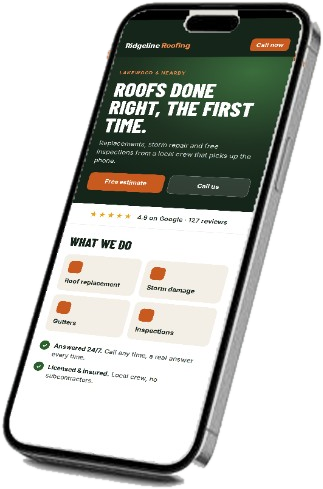
Tell Emma what you take on and where, and your site is up in about 5 minutes. Need a change? Text her: “Add gutter cleaning for HOAs this fall.”
Three changes landlords and managers bring up on walk-throughs this year. Know them, put them on your site, and you’re the vendor who explains the rules instead of learning them on the job.
Also on board agendas: HUD pushed NSPIRE compliance for HOME, ESG, CoC and HTF properties to October 1, 2026, and entities formed in the U.S., incorporated associations among them, no longer file beneficial ownership reports with FinCEN. Check state and city rules before you promise a repair timeline. [9] [10]
The BLS counts about 1.62 million general maintenance and repair workers, with roughly 148,700 openings a year and a median wage of $49,590 in May 2025. In Buildium’s 2026 report, 70% of property management companies said vendor and contractor labor costs had gone up. [1] [3]

Call or text one number. Emma, your AI agent, runs your website, your ads, your phones and your hiring, set up for your property maintenance company.
Service agreements, turnovers and HOA care laid out the way managers and boards search for them.
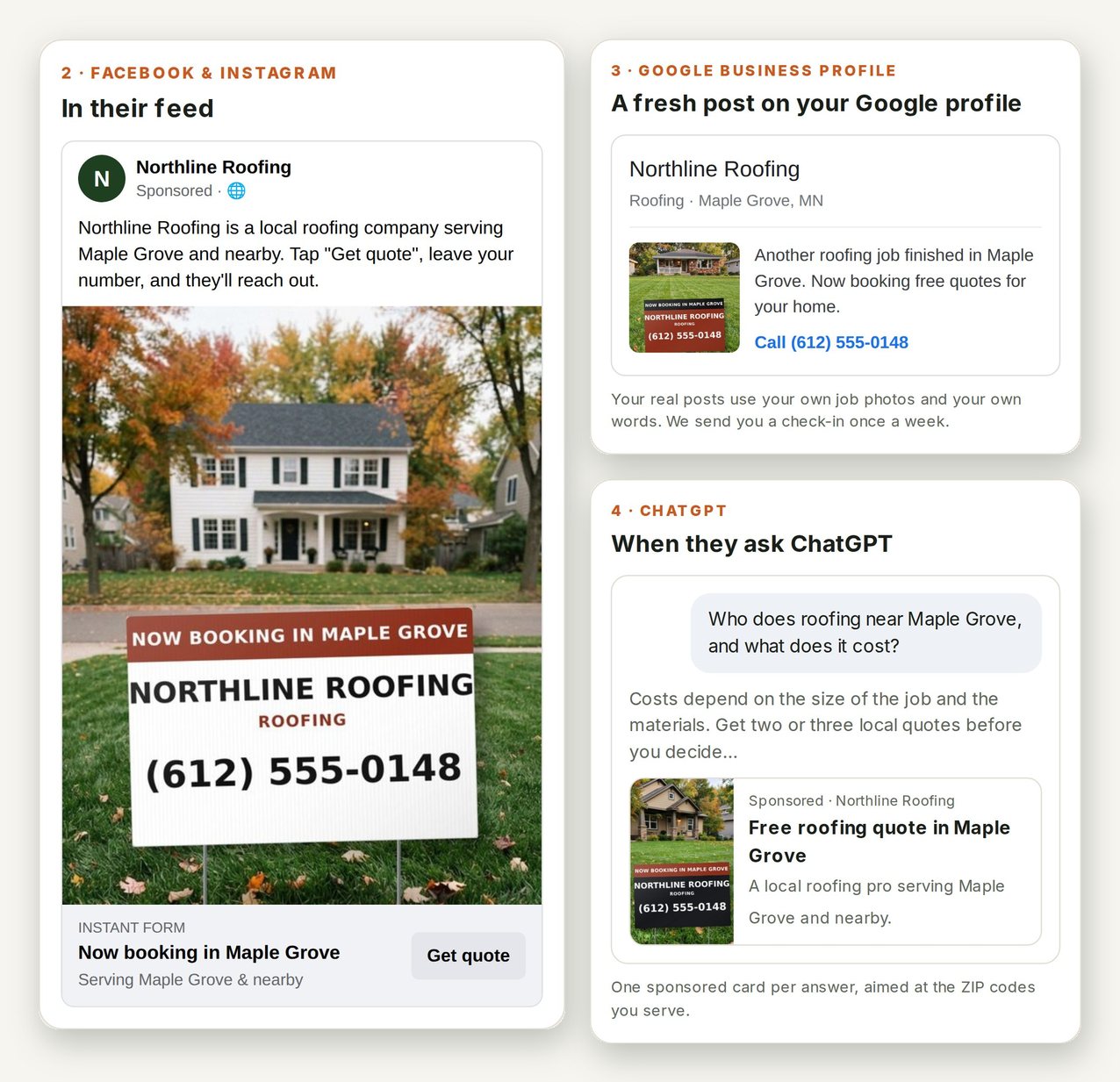
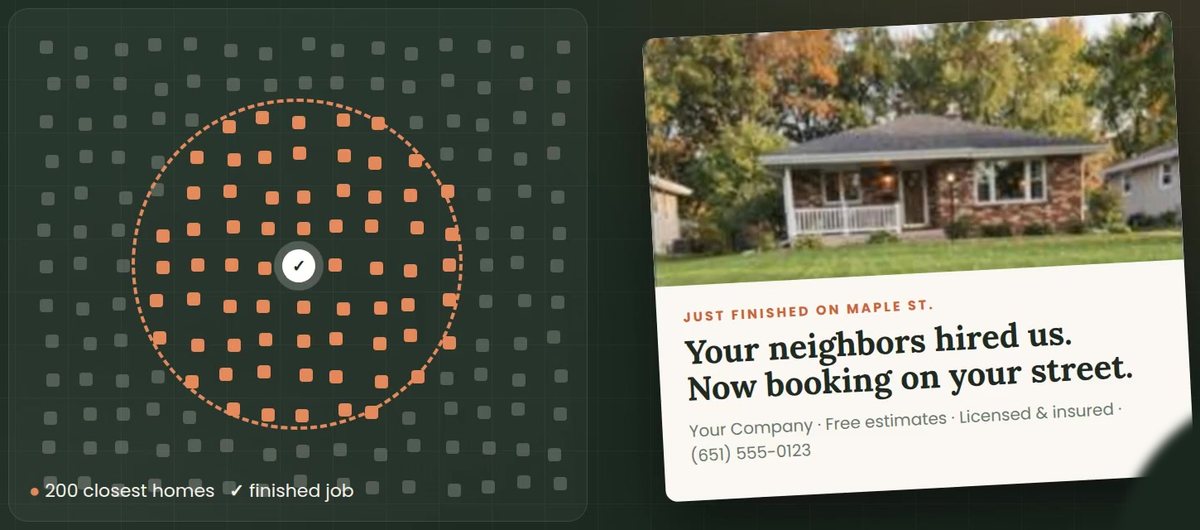
Spring walk-through ads, review requests after each work order, postcards around the units you turn.
Picks up tenant and manager calls you miss, flags leaks and no-heat calls urgent and pre-schedules the rest.
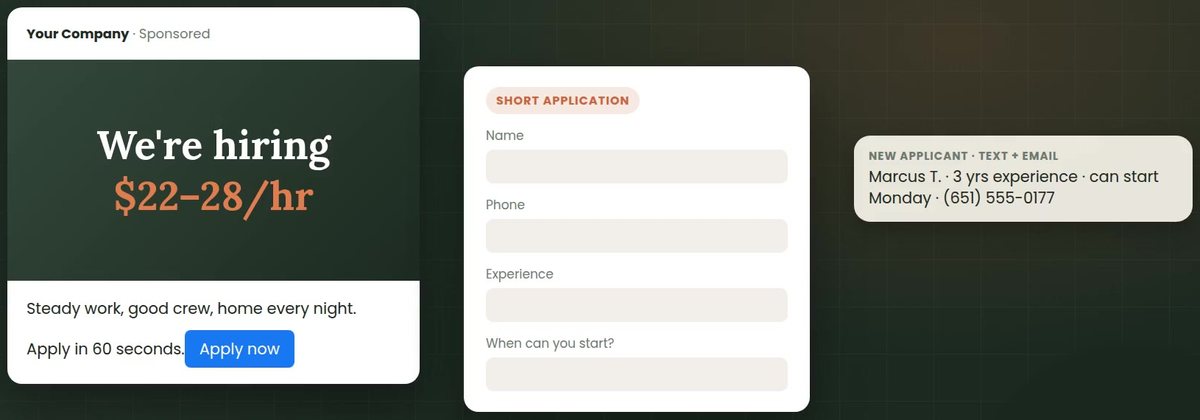
Maintenance tech job ads around your area; applicants come to you by text and email.

Example conversation.
A practical guide for property maintenance owners who sell to property managers, HOA boards and small landlords as well as homeowners. It covers what your website needs, where to market, and how to answer and close work-order calls.
On this page: Website · Marketing & ads · Phone calls · FAQ · Sources
Property managers, HOA boards, small landlords and homeowners buy maintenance differently, so give each group its own page. Managers want work-order turnaround and clean invoicing. Boards want common-area scope, reserve projects and insurance certificates. Landlords want to know how you price turnovers. With 373,000 community associations in the U.S. [2], an HOA page alone earns its keep.
Managers compare vendors on how fast they respond, so state your targets plainly: when you acknowledge an emergency, when someone is on site, and how soon routine work orders get scheduled. Match them to what your clients owe tenants. HUD voucher units, for example, need life-threatening deficiencies fixed within 24 hours [6]. Only promise times your crew can actually hit.
Create a “For property managers” page with your license number where your state requires one, liability and workers’ comp coverage, and a note that a W-9 and certificate of insurance are ready on request. Add a sample turnover photo report. A manager onboarding a new vendor wants to check those boxes in one visit, not chase you by email.
Spell out what a recurring agreement covers: seasonal walk-throughs, gutter cleaning, filter changes, winterizing and common-area checks, plus what counts as extra. List visit frequency and how emergencies are billed. A clear page shortens the board meeting where your proposal gets voted on and gives landlords a reason to sign for the year.
Add a short form that asks for property address, unit number, contact, access instructions, pets and a photo, plus a tap-to-call button for emergencies. Keep it fast on a phone, because many requests come from a tenant standing next to the problem. With Outfitter, requests go to your email and the site offers live appointment booking.
Choosing who builds it? 18 website options compared, with first-year costs and who owns the site.
Your best accounts come from a few decision-makers: portfolio managers, community association managers and board presidents. CAI counts 60,000 to 65,000 community association managers and 9,000 to 10,000 management companies [2]. Build a list of the ones near you, introduce yourself with a one-page capability sheet, and check in every quarter.
Ask for a review after every closed work order from whoever requested it: tenant, manager or owner. 74% of consumers look for reviews from the last three months [5]. Reply to each one, scheduling complaints included, because 89% expect the owner to respond [5] and managers read your replies to judge how you handle friction.
Pick categories that match the work, list the towns you cover, and add services such as unit turnovers, gutter cleaning and HOA common-area upkeep. Post photos of finished units and grounds work every couple of weeks. Keep your name, address and phone identical on the profile, your website and directories.
Run turnover ads to landlords in late spring, ahead of summer move-outs. Push winterizing and gutter offers in early fall, then frozen-pipe and snow messaging once it turns cold. College towns and Sun Belt markets run on different calendars, so set dates from your own past work orders rather than a national schedule.
Small rental owners rarely search for a maintenance company until something breaks. A postcard to the duplexes and rentals around a finished turnover puts your name in front of them first. Outfitter mails postcards to chosen homes for about 53¢ each delivered. Count the calls each mailing brings in before you send the next one.
A recurring service agreement is worth far more than a single repair, so judge marketing by agreements signed and work orders received. Tag every lead with its source. In Buildium’s 2026 report, 70% of management companies said vendor labor costs went up [3], so expect price shopping and win on reliability and reporting first.
Choosing where to spend? 26 marketing options compared, including which leads are shared with other contractors.
A manager with a tenant on the other line calls the next vendor if you don’t pick up. Only 52% of calls to home-services businesses reach a live person [4]. Cover nights with call forwarding, an on-call tech or an answering service, and return any missed call within minutes, not at the end of the day.
Ask for the property and unit, who is calling, what is happening, and whether water, heat, power or security is involved. Get access instructions, pets and the name of whoever approves spending. Mark active leaks, no heat, sewage and lockouts urgent, and write every answer into the work order so the tech arrives ready.
Tenants call, but owners and managers pay. Keep a not-to-exceed amount and an approval contact on file for each account, and check it before non-emergency work a tenant requests. For HOAs, confirm whether the repair falls under common elements or the homeowner. Clear approval rules prevent unpaid invoices and awkward board conversations.
Never hang up on “we’ll call you back.” Offer a time window, confirm the access plan, and text a summary to both the caller and the manager. Invoca found 55% of home-services businesses don’t ask callers to book [4]. For turnovers, set the walk-through and agree on the move-in date you’re working toward.
Board proposals and turnover bids go quiet unless you follow up. Check in after three days and again after a week, and ask when the board next meets. After each job, send photos and a short note on what you found. 31% of renters say faster maintenance would make them renew [3], which is the story managers want to tell owners.
Choosing an answering service? What it should ask and which ones fit this trade, from live answering to AI.

Managers and HOA boards keep the vendors who answer and show up. Only 52% of calls to home-services businesses reach a person, so picking up every work-order call is the first thing to fix.
Then make yourself easy to find: a website listing service agreements, turnovers and the towns you cover, steady recent Google reviews, and ads timed to spring walk-throughs and summer turnovers. Outfitter’s website costs nothing, and joining Front Desk or marketing is free; you pay for usage only.
Front Desk runs 35 cents a minute from your token balance, where 1 token is 1 cent, so $35 buys about 100 minutes. There’s no monthly minimum and no contract.
Weigh that against losing a management company’s whole portfolio because a tenant’s leak went to voicemail.
Yes. It answers, gets the property, unit, problem and access details, marks active leaks, no heat, sewage backups and lockouts urgent, and texts you right away. You decide who goes.
Tell it what to say on safety calls. For a gas smell, smoke or a sparking outlet, most owners have it tell the caller to get out and call 911 or the utility first.
Yes. Front Desk tells every caller up front that it’s an AI assistant. It can use a natural voice or a clone of your own voice, made only from a recording you make. Nobody is misled about who picked up.
Yes. A board or portfolio manager comparing vendors wants more than a map pin: what a service agreement covers, whether you handle turnovers, and the area you serve. Outfitter builds your site for free in about 5 minutes.
Make the basics easy to check: a website that names your services and service area, current reviews with replies, and a phone that gets answered. In Buildium’s 2026 report, 56% of rental owners with a property manager said they hired one for expert help with maintenance, so managers need vendors who make them look good.
Postcards to small landlords and association addresses near your shop are another way in, at about 53 cents each delivered.
Ask right after each work order closes, while the fix is fresh. Reviews from the last three months matter to 74% of consumers, and 47% avoid businesses with fewer than 20. With Website Professional, the request goes out automatically.
Answer every review too, including the cranky tenant. 89% of consumers expect the owner to reply.
Pick a monthly number you can live with and measure it by signed agreements and work orders, not clicks. With Outfitter you set the ad spend and change it any time. Ads run at cost plus 30%, the first $10 of Facebook ads is on us, and there’s no contract.
Sell recurring service agreements: seasonal walk-throughs, gutter cleaning, filter changes, winterizing and common-area upkeep billed on a schedule. Run those ads before spring and fall and send renewal reminders to past clients. Emma times them to your leasing calendar.
Put the pay, schedule and on-call expectations in the ad, and list the skills you need: basic plumbing, electrical, drywall and appliance work, plus a driver’s license. The BLS projects about 148,700 openings a year for general maintenance and repair workers, so a vague ad gets skipped. Emma posts the job on Facebook and Instagram and texts you each applicant.
Check what your state lets an unlicensed tech do before you send them on plumbing or electrical work.
NSPIRE is HUD’s inspection standard for assisted housing. Voucher units have until February 1, 2027 to switch from the old Housing Quality Standards. Smoke alarms there must be hardwired or sealed 10-year battery units, carbon monoxide alarm rules apply, and life-threatening deficiencies have to be corrected within 24 hours, others within 30 days.
If you work for landlords with voucher tenants, pre-inspection walk-throughs and fail-item repairs are steady work.
Yes, for residential leases signed, renewed or amended on or after January 1, 2026. AB 628 makes a working stove and refrigerator part of basic habitability, so broken appliances become owner repairs.
Appliances have also carried a 50% tariff on their steel content since June 23, 2025, so check current prices before you quote a replacement.
It doesn’t plug into them. Every call, request and applicant comes to you by text and email, so you can enter it in whatever work-order or property software you or your clients use.
There isn’t one. The free website lives at getoutfitter.ai/site/your-name with a small Outfitter banner and stays free. Website Professional is $79 a month and adds your own web address, removes the banner, and automates Google review requests and posts, with 30 days free and no contract. Your business data stays yours.
Figures on this page come from these reports. Vendor research is labeled as such; government sources are primary.
Your property maintenance website goes up in about 5 minutes. Joining marketing costs nothing; you pay for the ads and calls that actually run, with no contract to sign.