Spring sign-ups land while you’re behind a zero-turn and can’t hear the phone. Outfitter gives your lawn care company a website that sells weekly mowing and treatment programs, an AI Front Desk that takes the calls you miss, and route-filling ads and Google reviews handled by Emma, your AI agent.
Call or text Emma the way you’d talk to an office manager. She does the rest.
Asks your questions, offers the homeowner a time and texts you the details to confirm.
Built for your trade in about five minutes, from what already wins work.
Six figures every mowing and treatment owner should know, from per-cut pricing to visa caps. Each one is linked to its source below.
Nearly all new mowing and treatment customers decide in a few spring weeks, then stay or leave based on how the summer goes. Emma front-loads sign-ups and keeps reviews coming from the customers you see every week.
Ads run to the streets where you already mow. Front Desk takes first-cut, cleanup and pre-emergent calls while you’re on the mower and pre-schedules start dates for you to confirm.
Front Desk handles brown-patch and grub worries, flags anything urgent and texts you. Review requests go to steady weekly customers, the ones most likely to rave.
Core aeration and overseeding ads go out in late summer. Fall cleanup postcards hit your route neighborhoods before the leaves drop.
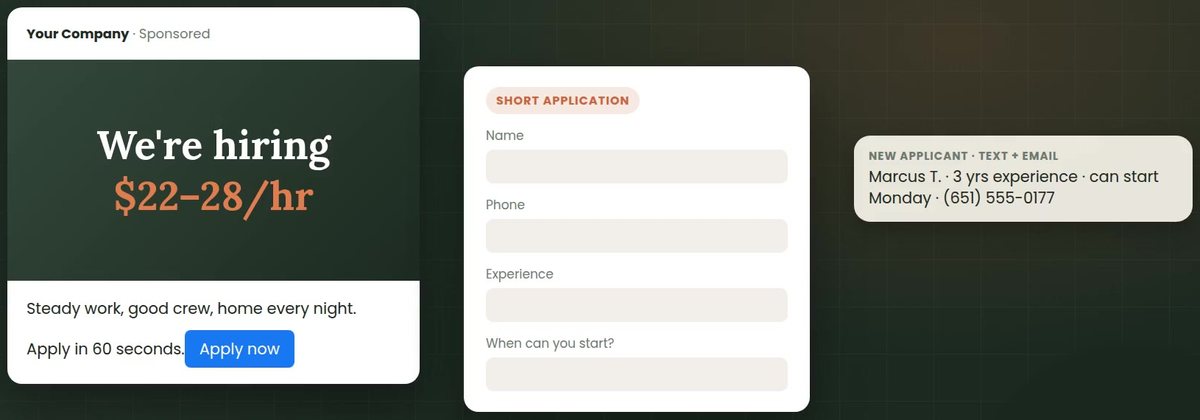
Next year’s program renewals go out. Hiring ads run early, so you’re not stuck if your H-2B workers arrive late or not at all.
Grass type sets the calendar. Cool-season lawns in Ohio and warm-season Bermuda in Georgia get treated on different schedules, and Emma times your ads to match.
You can’t answer the phone over a zero-turn, and spring callers don’t leave voicemails. Front Desk answers on your number, asks your sign-up questions, pre-schedules a first cut or estimate and texts you the stop.
Example call. Front Desk follows the rules you give it.
Homeowners compare mowing companies by rating and by how recent the reviews are, and a growing share ask an AI tool first. A route full of happy weekly customers is a review engine if somebody actually asks them.


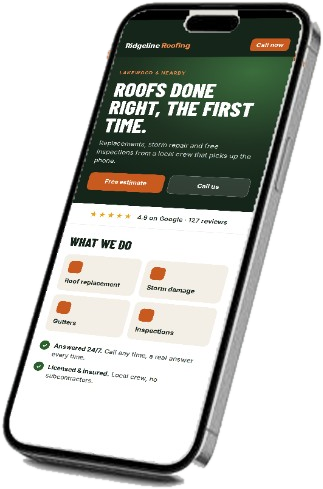
Describe your services to Emma and the site is live in about 5 minutes. Edit it by text: “Add fall aeration and overseeding.”
Three changes lawn care owners are dealing with this season. Knowing them helps you staff, advertise and answer customer questions with a straight face.
Also watch your equipment rules. In California, most new small off-road engines, including mowers and blowers, have had to be zero-emission since 2024. Check your state’s applicator license and recertification rules before each season. [12]
Lawn care leans on H-2B more than almost any business: landscaping workers took 38.3% of all certified H-2B jobs in fiscal 2025, and both fiscal 2026 caps filled early. Licensed applicators are worth paying for, with a median $22.28 an hour in May 2025. [3] [4] [7]

Call or text one number. Emma, your AI agent, runs your website, your ads, your phones and your hiring, set up for your lawn care company.
Mowing and treatment programs laid out clearly, with the neighborhoods your routes cover.
Spring sign-up ads on your route streets, review requests to weekly customers, fall aeration postcards.
Answers sign-up calls you can’t hear over the mower and pre-schedules first cuts near your routes.
Job ads for mow crew members and licensed applicators near you, with each applicant sent to your phone.

Example conversation.
A hands-on guide for mowing and treatment owners: how to sell season-long programs online, grow dense routes instead of scattered stops, and turn spring phone calls into recurring customers on autopay.
On this page: Website · Marketing & ads · Phone calls · FAQ · Sources
Make weekly mowing, a seasonal fertilizer and weed control program, grub control, core aeration with overseeding, and spring and fall cleanups each a clear service with its own section. Explain how many visits the program includes and when they happen. Customers who understand the full season sign up for more than a mow.
Name the towns, subdivisions and zip codes where you already have trucks. Service-area pages help you rank locally, and they quietly steer sign-ups toward streets you can serve profitably. If a caller lives outside your routes, the page tells them before they spend time on a quote you’d have to turn down.
Many lawn companies price mowing and treatments from lawn size measured on satellite maps. Put an address field on the form and promise a quote by text or email. It saves an on-site visit for standard lots, and it matches how homeowners want to buy: fast, without someone walking the yard first.
Most states require a license to apply pesticides [7], so list your state applicator license number and insurance. Explain what products you use, re-entry times for kids and pets, and how you notify customers before a treatment. Clear safety information wins sign-ups from parents and pet owners who would otherwise hesitate.
A tap-to-call button, a short sign-up form and a clear note on billing do the selling. Say whether you bill per cut, monthly or by program, and whether you offer autopay. Recurring billing on file keeps customers from drifting away mid-season. Outfitter’s site also lets visitors pick a time for an estimate.
Choosing who builds it? 18 website options compared, with first-year costs and who owns the site.
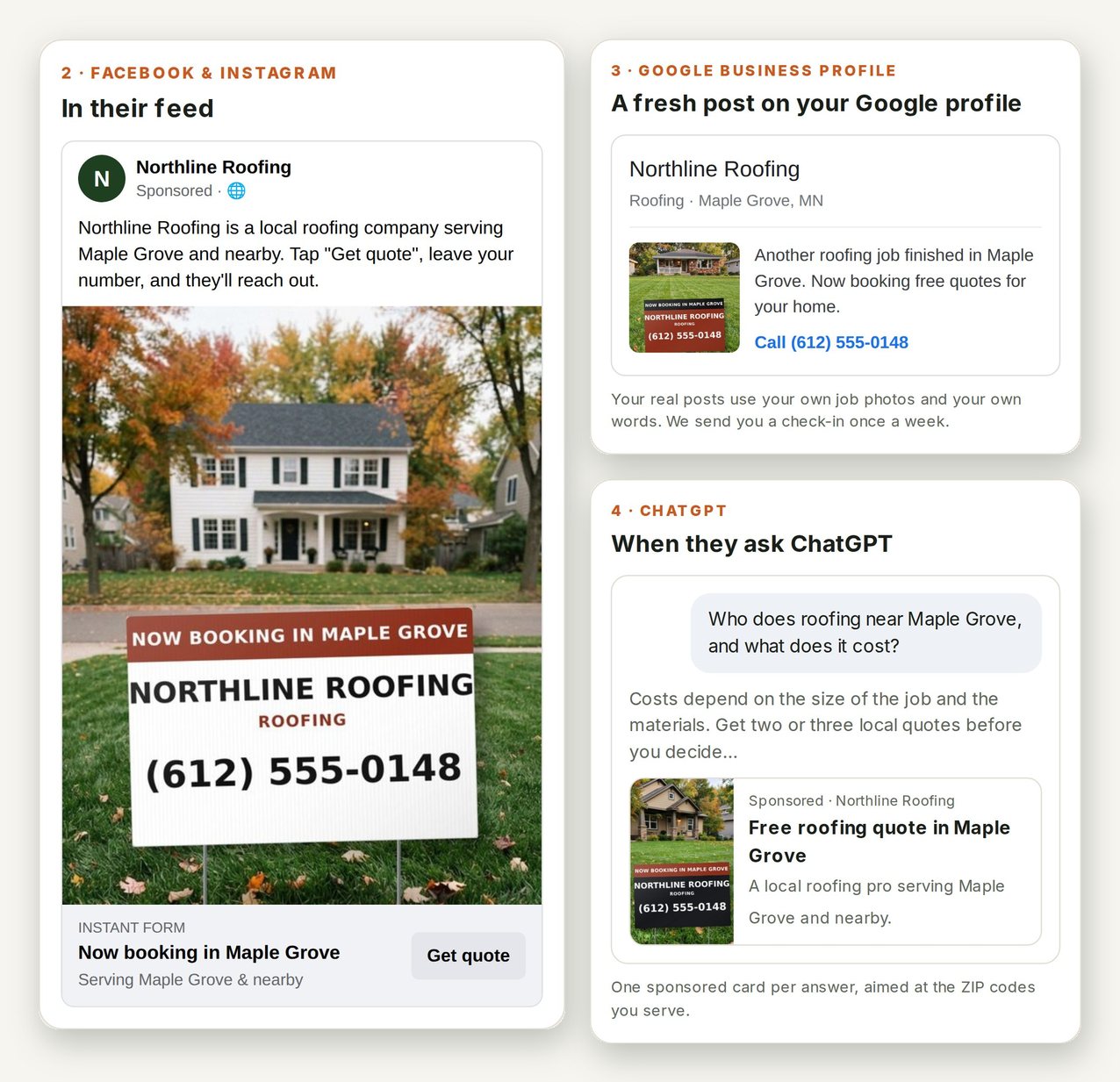
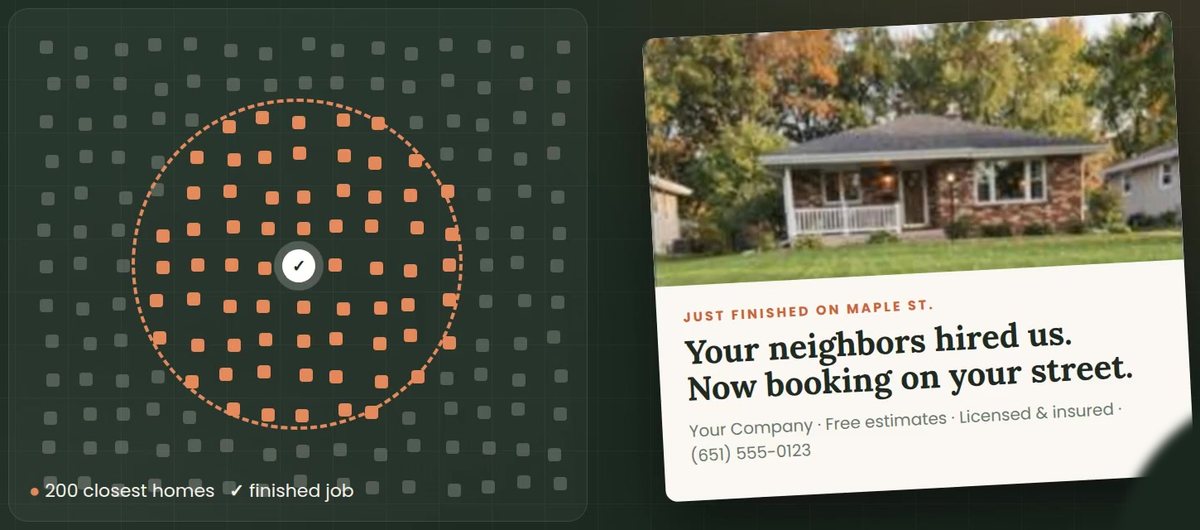
Every new stop on a street you already mow adds revenue with almost no extra drive time. Target ads, door hangers and postcards at the blocks around your current customers, and offer a neighbor discount. A tight route at $50 to $55 a cut [1] beats a scattered one at a higher price.
Most homeowners pick a lawn company in a few weeks of early spring. Start ads and renewal emails in late winter, before the first cut, and keep them running until your routes are full. Then turn spending down rather than paying for leads you can’t schedule.
Your mowing customers are the cheapest people to sell treatments to. Send a late-summer offer for core aeration and overseeding, a spring offer for pre-emergent, and a grub control add-on before damage shows. At about $225 per fertilizer application [2], adding a program to an existing stop is worth more than most new mow customers.
People who see your crew every week are your best reviewers, but they rarely think to write one. Ask a few weeks into the season, after a cut that looks great, and send the link by text. Mention the crew by name. Recent reviews matter to buyers, so spread requests across the whole season.
Local Services Ads let you pay per lead, and lawn care is one of the first categories Google is moving into Performance Max from August 2026 [9]. Watch your cost per new route customer closely through the change. A strong Google Business Profile with real photos and steady reviews keeps working whatever the ad format.
Send next season’s program and price to every customer in December or January, with autopay already set up for those who had it. Ask happy customers to refer neighbors for a credit on their bill. Every renewal you keep is a spring sign-up you don’t have to buy.

Choosing where to spend? 26 marketing options compared, including which leads are shared with other contractors.
Spring callers rarely leave voicemails; they call the next company on the list. About half of home-service calls reach a person [8], so a lawn company that answers every call in April wins customers by default. If you can’t hear the phone on a zero-turn, use a service that answers and texts you each caller.
Get the address first, then lot size or front-and-back, weekly or every other week, mowing only or treatments too, and whether there’s a gate, dog or slope. Check the lawn on a satellite map while you talk. With those answers you can quote most standard lots without a visit.
Lawn buyers want a price and a first-cut date in the same call or within hours. Give the per-cut or program price, explain what’s included, and offer a start day that fits your nearest route. Send the quote by text with a link to accept and put a card on file.
When someone calls for mowing, ask one question about the lawn itself: weeds, thin spots or brown patches. If they say yes, offer the fertilizer and weed control program or a lawn evaluation. Don’t push; most customers who mention a problem are glad someone offered a fix.
Text unanswered quotes after two days and call after five. Spring is short, so a quote that sits for two weeks is usually lost. Note the reason anyone says no, price, timing or already hired, and use it to fix your pricing or response time next season.
Choosing an answering service? What it should ask and which ones fit this trade, from live answering to AI.
Market to the streets you already drive. Postcards and Facebook ads aimed at your route neighborhoods add stops without adding miles, and that’s where mowing profit comes from.
Then catch every spring call. About half of home-service calls never reach a person, and lawn sign-ups happen in a short window. Front Desk answers while you mow and pre-schedules the first cut for you to confirm.
Front Desk is 35 cents a minute from your token balance, so $35 buys about 100 minutes of calls. A weekly mowing customer at $50 a cut pays for that in the first visit or two of the season.
Only if you tell it exactly what to say. By default it never quotes. It collects the address, lot size, frequency and services wanted, then pre-schedules a first cut or estimate for you to confirm, so you can price after you see the yard or check it on a map.
Yes. Front Desk announces that it’s an AI assistant at the start of every call. It can use a natural voice, or your voice cloned only from a recording you make. Customers hear something familiar without being fooled.
You set the list. Common ones: a customer worried about kids or pets after a treatment, a sprayer or truck problem reported on a property, damage your crew may have caused, or a commercial account that needs a cut before an event. Those are texted to you right away.
Ask the customers who see you every week, after a cut that looks great. Emma sends the request on your schedule so reviews keep arriving all season. Buyers trust recent reviews more than old ones, so steady beats a single spring blast.
They can be, since you pay for leads instead of clicks. But Google lists lawn care among the first categories moving from Local Services into Performance Max starting in August 2026, so your setup and reporting will change. A strong website and recent reviews keep working through that.
Yes. The map listing shows you exist, but your website tells homeowners and AI tools which programs you offer, which neighborhoods you serve and how to sign up. Emma sets one up in about 5 minutes, and you edit it by text.
Set a monthly amount and judge it by new route stops, not clicks. You pick the budget with Outfitter and can change it any day. Ads run at cost plus 30%, the first $10 of Facebook ads is free, and nothing is under contract.
Plan as if they might not. For fiscal 2026, USCIS hit the first-half cap on September 12, 2025 and the second-half cap on March 20, 2026, and supplemental visas were limited and time-boxed. Run local hiring ads in winter with pay and hours up front, so you have backup crews before sign-ups peak.
Usually, for pesticides. BLS notes most states require a license to apply pesticides, and fertilizer rules vary by state. Weed and grub control products are pesticides, so check your state agriculture department’s commercial applicator rules and any local ordinances before you sell a program.
Sell fall aeration, overseeding and leaf cleanups to your mowing list in late summer, then renewals for next year’s program over the winter. Some lawn companies add snow removal, which BLS notes is common winter work for grounds crews. Emma runs the ads and postcards for each.
It doesn’t need to. Every call, sign-up and applicant comes to you by text and email, so you keep routing and invoicing in the software you already use.
No catch. The free website runs at getoutfitter.ai/site/your-name with a small Outfitter banner, and it doesn’t expire. Website Professional is $79 a month for your own domain, no banner, and automatic Google review requests and posts. The first 30 days are free, there’s no contract, and you own your business data.
Figures on this page come from these reports. Vendor research is labeled as such; government sources are primary.
Begin with your lawn care website, ready in about 5 minutes. Marketing costs nothing to join, and you only pay for the ads and minutes you use. No contracts.