Electrical work splits two ways: planned jobs like panel upgrades, EV chargers and generators, and the call about a dead circuit or a burning smell that can’t wait. Both ring while you’re in a crawlspace or on a ladder. Outfitter gives your shop an electrician’s website, an AI Front Desk for the calls you can’t take, and local ads and Google reviews that Emma, your AI agent, runs for you.
Call or text Emma the way you’d talk to an office manager. She does the rest.
Asks your questions, offers the homeowner a time and texts you the details to confirm.
Built for your trade in about five minutes, from what already wins work.
Six numbers to weigh before your next marketing dollar. Every one is sourced at the bottom of the page.
Electrical demand rides remodel season, summer storms and winter outages more than the thermometer. Emma times your ads to that, so planned work fills the quiet weeks and urgent calls get caught in the busy ones.
Remodel season brings kitchen and basement circuits. Panel upgrade and EV charger ads run now, plus postcards to older neighborhoods still on 100-amp service.
Front Desk catches outage, surge and tripped-breaker calls after thunderstorms and flags anything with heat or a burning smell. Generator inquiries start the week after the first big outage.
Standby generator and transfer switch ads ahead of winter. Outdoor lighting and holiday circuit work. The hiring ad goes up so a new electrician is trained before spring.
Front Desk answers no-power and tripping-breaker calls on nights and holidays. A good window to book rewiring and panel jobs in occupied homes before remodel season.
Your mix changes the curve. A shop doing mostly service and generators in hurricane country runs a different year than a remodel-heavy shop in the Midwest, and Emma plans for yours.
Invoca’s 2026 report found 55% of home-service businesses don’t ask callers to book the job. Front Desk asks on every call. It answers on your number or a new local one, asks your questions, flags danger, pre-schedules a visit for you to confirm and texts you the whole thing.
Example call. Front Desk follows the rules you give it.
Electrical work feels risky to homeowners, so they read before they call. BrightLocal’s 2026 survey shows the bar rising: 31% now only use businesses rated 4.5 stars or higher, up from 17%.


Give Emma the basics about your shop and your site is up in about 5 minutes. Edits are a text away: “Add EV charger installs to the services page.”
Three changes showing up on residential electrical jobs and estimates this year. Keep your website and phone answers current and you come across as the shop that knows the rules.
Also on your material costs: since August 1, 2025, imported semi-finished copper and copper-heavy products, including wire and cable, carry a 50% Section 232 tariff. Recheck wire prices before you quote a rewire or a service change. [10]
BLS projects about 72,700 openings a year for electricians, with a median wage of $63,190 in May 2025 and employment growing 9% through 2035. Most states require electricians to pass an exam on the National Electrical Code and be licensed, usually after a 4- or 5-year apprenticeship. [1]

Call or text one number. Emma, your AI agent, runs your website, your ads, your phones and your hiring, set up for your electrical contractor.
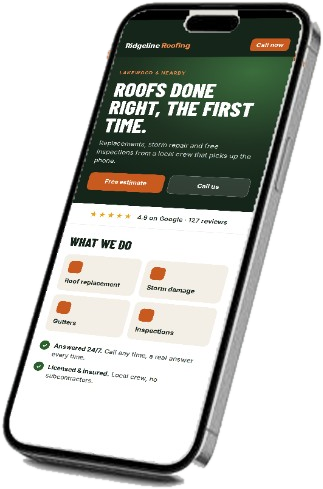
Panel upgrades, EV chargers, generators and troubleshooting, laid out the way homeowners search for an electrician.
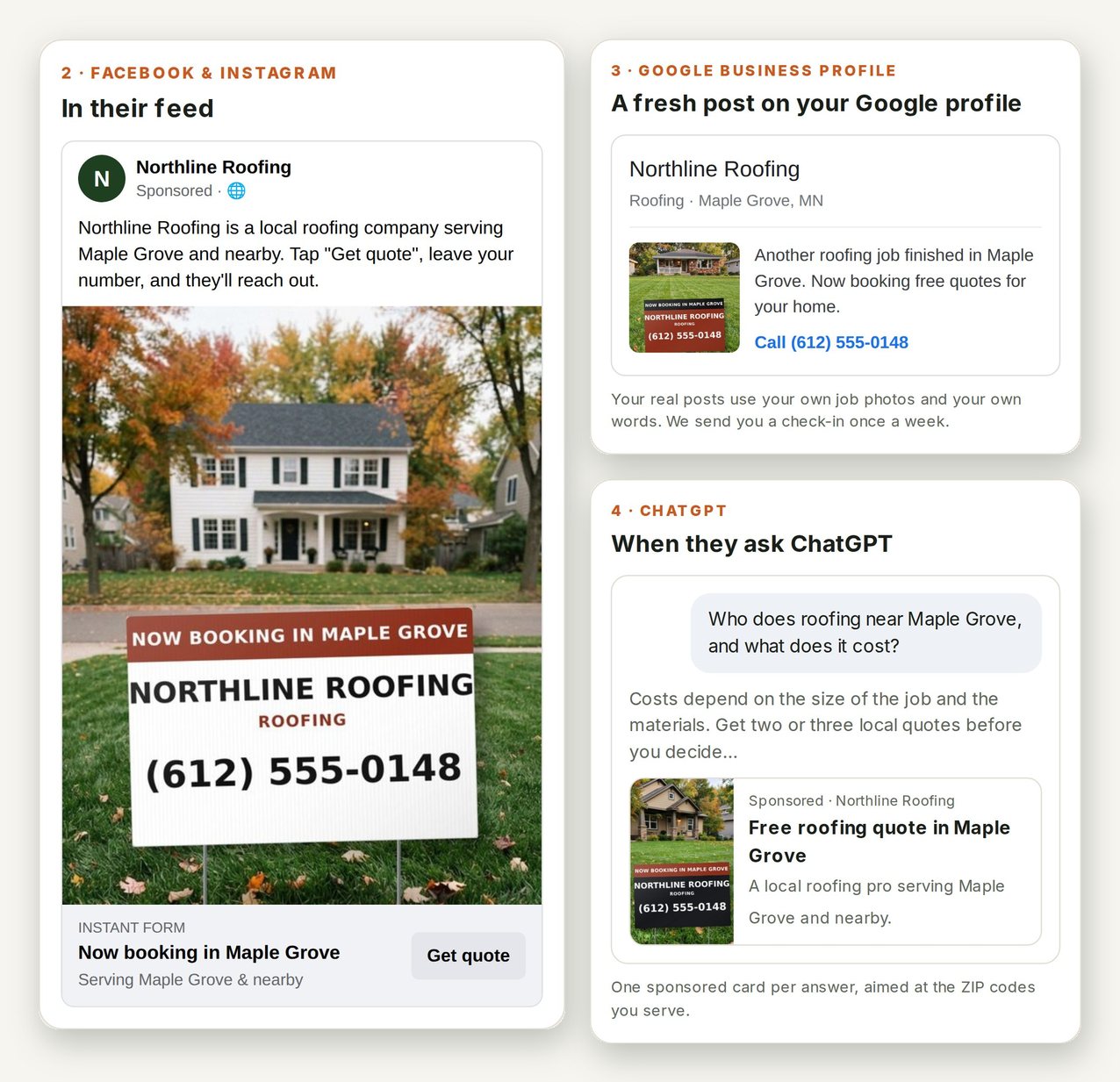
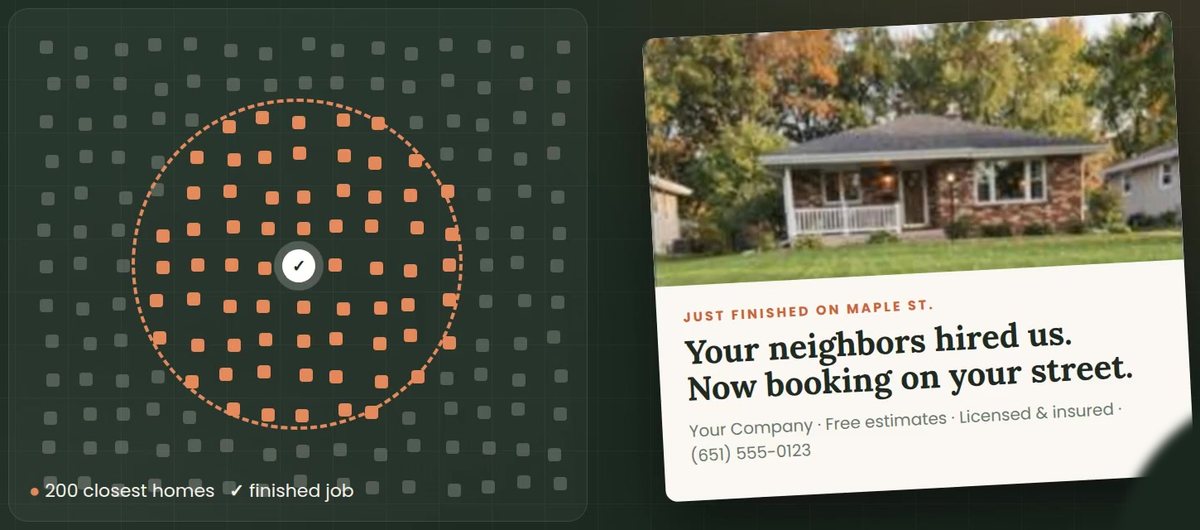
Panel and EV charger ads in spring, generator ads before storm season, a review ask after every job.
Answers the calls you miss, flags burning smells and outages urgent, and pre-schedules estimates for your OK.
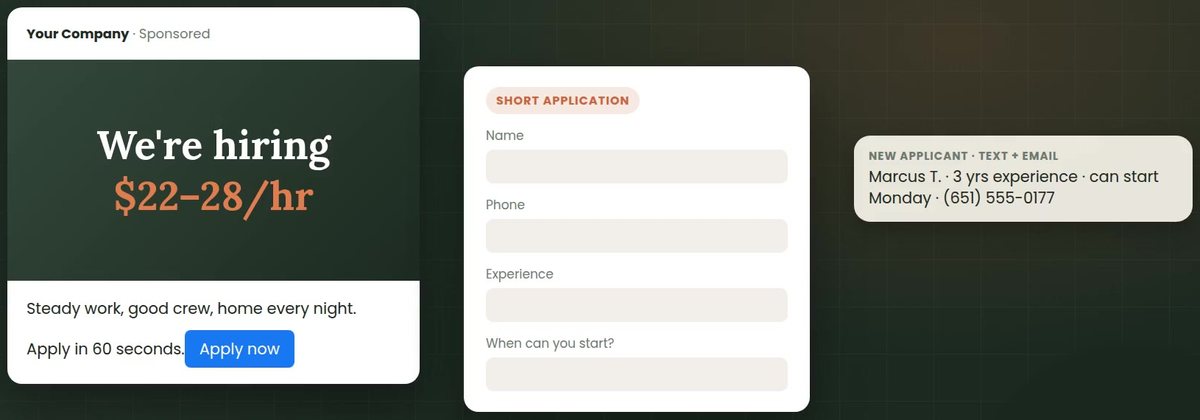
A job ad for licensed electricians and apprentices nearby, with each applicant sent straight to you.

Example conversation.
A working guide for residential electrical contractors: how to build a site that wins panel, EV charger and generator jobs, where marketing money pays off, and how to handle calls from the first ring to the signed estimate.
On this page: Website · Marketing & ads · Phone calls · FAQ · Sources
Planned electrical work is researched before anyone calls. Build separate pages for panel upgrades, EV charger installs, standby generators, whole-home rewiring, lighting and troubleshooting. Explain when a 100-amp service needs to go to 200 amps, what a Level 2 charger needs, and what the permit and inspection steps look like.
Homeowners are nervous about electrical work, and with reason: the U.S. Fire Administration counted 23,700 residential electrical fires in 2023 [2]. Show your state license number, master electrician name, insurance and the fact that you pull permits. That reassurance is often what decides the call.
Before-and-after shots sell electrical work better than words: a scorched bus bar next to a clean, labeled new panel, a tidy EV charger run in a garage, a generator pad and transfer switch. Use your own jobs and leave out house numbers. Neat work in photos tells people you’ll be neat in their basement.
Outdated claims cost you trust. The federal 30C EV charger credit only covers chargers placed in service by June 30, 2026 [8], so remove old tax-credit promises. When your area adopts the 2026 NEC [7], explain changes homeowners will notice, like outdoor service disconnects on panel replacements.
Many panel and charger shoppers browse at night. Give them a short form or online booking that asks for the job type, the home’s age, the current panel size if they know it, and a photo of the panel label. Those details let you price the visit and prep the truck before you arrive.
Choosing who builds it? 18 website options compared, with first-year costs and who owns the site.
Choose “Electrician” as your primary category and list each service by name: panel upgrade, EV charger installation, generator installation, lighting, rewiring. Add photos weekly and set an accurate service area. Profile posts about a recent generator job or charger install give Google and AI tools fresh, specific facts.
BrightLocal found 31% of consumers now only consider businesses rated 4.5 stars or higher [6]. Ask after every job, mention the specific work in the request (“how did the new panel install go?”), and reply to each review within a day. Specific reviews like “labeled every breaker” sell the next customer.
Searches like “200 amp panel upgrade,” “EV charger installer” and “whole house generator installation” signal real projects. Local Services Ads require license or registration checks before ads go live [12], and Google is moving electrical LSA accounts into Performance Max from August 2026 [9]. Exclude jobs, DIY and parts searches.
Standby generators run $1,540 to $8,740 installed, according to HomeAdvisor [5]. Demand jumps after a big outage, but crews and equipment get tight fast. Start generator ads and postcards in late summer and early fall in your storm-prone zip codes, so customers sign before the first ice storm.
HVAC installers need dedicated circuits for heat pumps, remodelers need kitchens rewired, and solar and EV dealers need installers. Build referral relationships with a few of each and make it easy: a direct line, fast estimates, clean inspections. One busy remodeler can keep a crew working.
Panel and generator leads are worth far more than a $150 service call, so judge channels by signed revenue, not lead count. Use a separate tracking number or form tag for Google, Facebook, postcards and referrals. Outfitter runs Facebook and Instagram ads at cost plus 30%, and you can change the budget any time.

Choosing where to spend? 26 marketing options compared, including which leads are shared with other contractors.
Whoever answers needs to know what’s dangerous. Smoke or fire means call 911. A downed line means stay away and call the utility. A burning smell, a warm outlet or a breaker that trips again right away means stop using that circuit. Write it down so every answer is the same.
Ask whether it’s one circuit or the whole house, whether a breaker tripped and will reset, how old the home is, what size the panel is, and whether there’s aluminum branch wiring or an older panel brand you recognize. For EV chargers, ask the car model and where they park. You’ll arrive with the right parts.
Invoca found 55% of home-service businesses don’t ask callers to book the job [11]. For service calls, offer a specific window. For panel, charger and generator jobs, schedule the site visit on the call and text a confirmation. “Someone will call you” is how estimates go to the next electrician.
HomeAdvisor reports electricians typically charge $50 to $130 an hour plus a $100 to $200 service fee, and after-hours work at time-and-a-half to double [5]. Whether you bill hourly or flat-rate, say how the visit is charged and what the trip fee covers. Clear expectations prevent disputes and bad reviews.
Panel upgrades average $1,300 to $2,000 for 200 amps [3], and generators run far higher, so homeowners take time to decide. Follow up within two days, again in a week, and offer financing if you have it. Outfitter’s Front Desk catches the callback when they’re ready and texts it to you.
Choosing an answering service? What it should ask and which ones fit this trade, from live answering to AI.
Catch the calls you already get first, especially evenings and weekends when outages and tripped breakers happen. Then build the reasons homeowners pick an electrician: recent reviews, a license number on your site, and pages for each service you want more of.
Panel upgrades, EV chargers and generators are planned purchases, so seasonal Facebook ads and postcards to older neighborhoods work well. Outfitter’s basic website is free, and you pay only for the ads and calls that run.
Front Desk is 35 cents a minute from your token balance, with no contract. Weigh that against the work: HomeAdvisor puts the average EV charger install at $967 and a 200-amp panel upgrade at $1,300 to $2,000 in 2026. Catching one of those calls covers a lot of answering.
It answers, asks your screening questions and marks burning smells, sparking outlets and whole-house outages urgent, then texts you right away. You decide who goes and when.
You also write the safety script. Most electricians have it tell callers to call 911 if there’s smoke or fire and to call the utility and stay away from a downed line. It never promises same-day service or quotes a price unless you’ve told it to.
Yes. Front Desk introduces itself as an AI assistant on every call. It can speak in a natural voice or in your voice, cloned only from a recording you make yourself, but it never pretends to be you.
Yes. Your profile gets you onto the map. Your website is where homeowners, and AI tools like ChatGPT, confirm you’re licensed, see whether you install EV chargers or generators, and check which towns you serve. Emma can have yours live in about 5 minutes.
Ask after every job, while the new panel or charger is fresh in their mind. BrightLocal’s 2026 survey found 31% of consumers only use businesses rated 4.5 stars or higher, and 32% look for reviews from the last two weeks. With Website Professional, Emma sends each request automatically.
They can be, because you pay per lead. Electrical is one of the categories Google is moving from Local Services Ads into Performance Max from August 2026, so your dashboard and reports will change. Your reviews and website work whether you buy Google leads or not.
Give EV chargers their own page that explains Level 2 installs, whether a panel upgrade might be needed, and the towns you serve. Run Facebook and Instagram ads in your area, and mail postcards around homes where you’ve already installed one. Take down any federal tax credit promise: the 30C credit only covers chargers placed in service by June 30, 2026.
Among the changes: service disconnects for one- and two-family homes must be in a readily accessible outdoor location, GFCI protection now reaches single-phase branch circuits up to 60 amps, and built-in cabinets no longer count as wall space for kitchen receptacle spacing. Adoption varies by state, so confirm what your local inspector enforces before you quote.
Sell planned work in the gaps: panel upgrades and rewiring in winter, EV chargers and remodel circuits in spring, standby generators in the fall before ice and storm season. Emma runs those campaigns as ads and postcards on a schedule that fits your area.
Put pay, hours and the license level you need right in the ad. BLS projects about 72,700 electrician openings a year, and most states require a license and an exam on the National Electrical Code, so vague ads get skipped. Outfitter Recruiting puts your opening in front of local electricians on Facebook and Instagram and forwards every applicant to you.
Since August 1, 2025, imported semi-finished copper and copper-intensive products, including wire and cable, carry a 50% Section 232 tariff. Recheck your supplier pricing before quoting a rewire or service upgrade, and avoid posting fixed prices on your website.
It doesn’t need to plug into them. Calls, web requests and job applicants come to you by text and email, so Outfitter runs alongside whatever dispatch software your shop already uses.
No catch. Your starter site costs nothing and lives at getoutfitter.ai/site/your-name, carrying a little Outfitter banner. Website Professional is $79 a month for your own domain, no banner, and automated Google review requests and posts; the first 30 days are free and there’s no contract. Your business data remains yours.
Figures on this page come from these reports. Vendor research is labeled as such; government sources are primary.
Start with your electrical contractor website, live in about 5 minutes. Joining the marketing side costs nothing; you pay for what runs. No contracts.